
As new communities grow, so does the need for high-quality natural spaces where people can walk, explore, and enjoy the outdoors. But in many parts of the UK, some of our most treasured landscapes are also environmentally sensitive—home to rare species and protected habitats that can be easily damaged by too much footfall. That’s where SANGs come in…
What Does SANG Mean?
SANG stands for Suitable Alternative Natural Green Space. It’s a term used in planning and ecology to describe a specific type of green space designed to divert recreational pressure away from vulnerable protected sites, particularly Special Protection Areas (SPAs).
In short, a SANG offers people an attractive, accessible, and enjoyable place to visit—so that sensitive habitats nearby don’t become overwhelmed.
Why Do We Need SANGs?
As housebuilding increases, more people naturally means more dog-walkers, more joggers, and more weekend visitors heading into local countryside. While this is great for public wellbeing, it can pose real risks to wildlife.
A well-designed SANG helps to:
- Protect rare species and habitats by reducing visitor pressure on sensitive areas
- Provide welcoming, high-quality outdoor space for local communities
- Support sustainable development by allowing new housing while safeguarding nature
- Promote healthier lifestyles by offering places to walk, exercise, and enjoy nature
SANGs are an essential part of balancing people’s needs with environmental protection.
What Does a SANG Look Like?
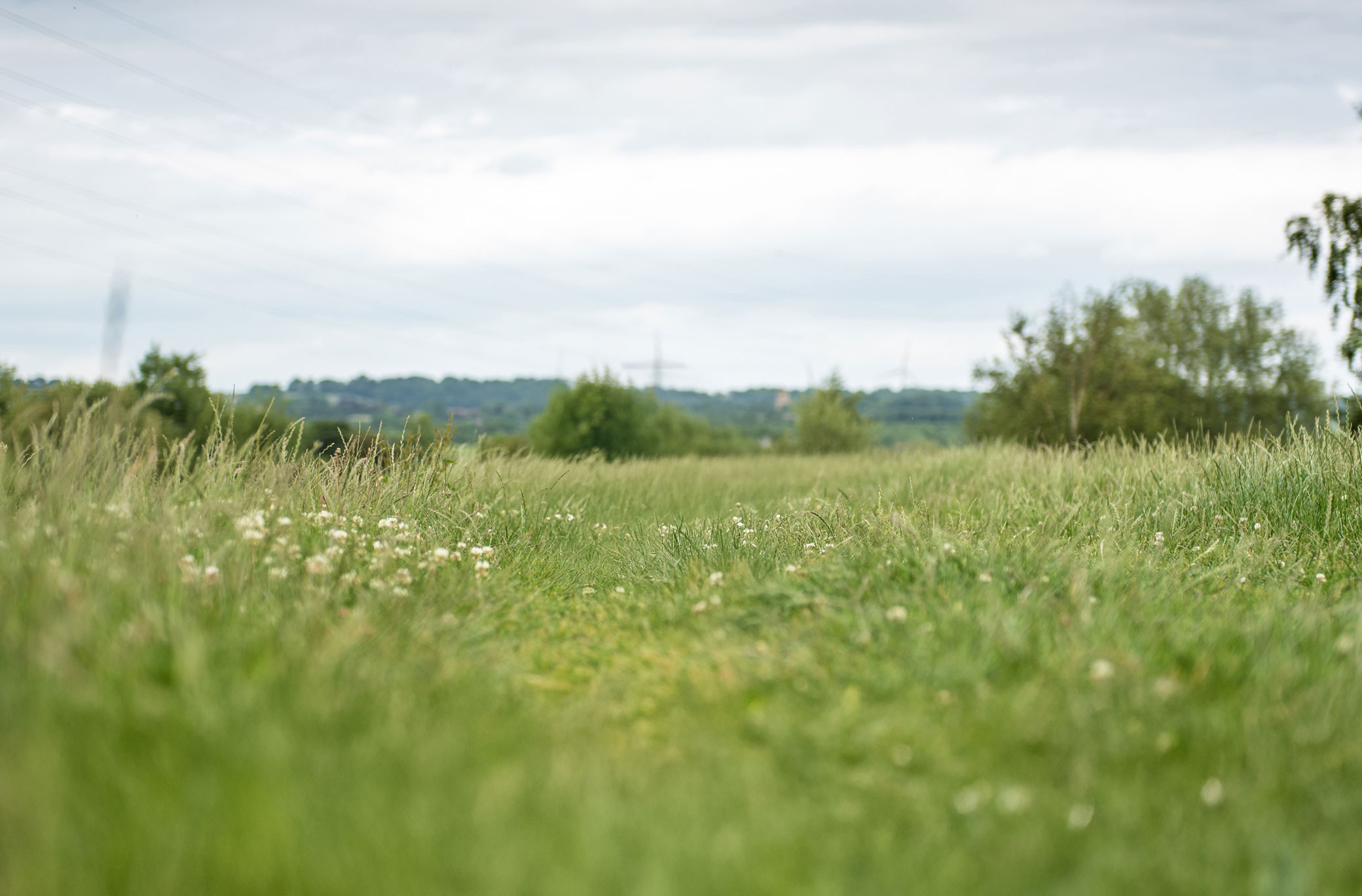
A SANG isn’t just any park or woodland. To be effective, it must feel as appealing—or more appealing—than the protected site it is relieving pressure from. That means providing a welcoming, naturalistic environment with room to roam.
Typical features of a SANG include:
- Attractive walking routes, ideally a circular 2.4 km path
- A sense of naturalness, with meadows, woodland, water features, or open vistas
- Dog-friendly access, including off-lead areas where appropriate
- Clear signage and easy navigation
- Parking and good transport links
- Benches, viewpoints, and places to rest
While every SANG is unique, the goal is always the same: create a high-quality, enjoyable landscape where people want to spend time.
Who Oversees SANGs?
- SANGs are typically created, managed, or funded through partnerships between:
- Local authorities
- Environmental organisations
- Developers
Trusts and land managers
Their long-term maintenance is carefully planned to ensure the space continues to deliver benefits for both people and nature for many years to come.
How Do SANGs Support Conservation?
By offering well-designed alternative spaces, SANGs allow protected habitats—such as lowland heathland or coastal nesting sites—to remain undisturbed. This helps threatened species thrive and keeps conservation goals on track while still enabling sustainable community growth.
SANGs are a great example of practical, people-focused conservation: improving public access to green space while safeguarding the ecological areas that need our protection most.
The Greenspace Trust’s Role
At The Greenspace Trust, we work to ensure that every SANG we support delivers genuine value—for wildlife, for local communities, and for future generations. Our approach focuses on:
- High-quality landscape design
- Long-term management and stewardship
- Community engagement and education
- Biodiversity enhancement
By championing sustainable green spaces like SANGs, we help create healthier environments and happier communities.
Subscribe & Support the Greenspace Trust
Join our community and help protect and enhance green spaces for people and wildlife. Subscribe for updates and find out how you can support The Greenspace Trust’s work.
Your email is in good hands—we never pass it on to anyone else.